
- Advocacy
SXSW Runs on Freelancers. It’s Time We Act Like It.
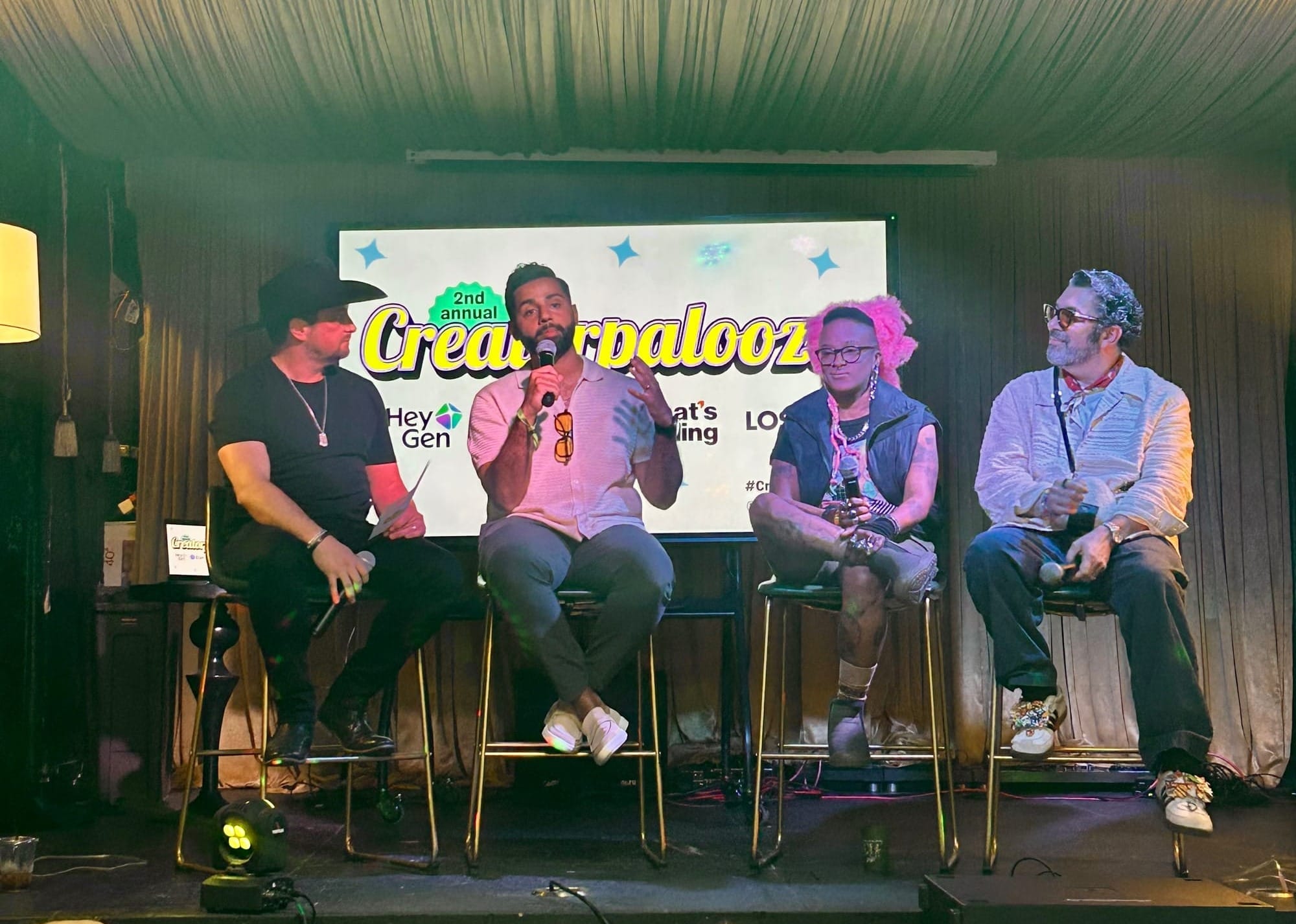
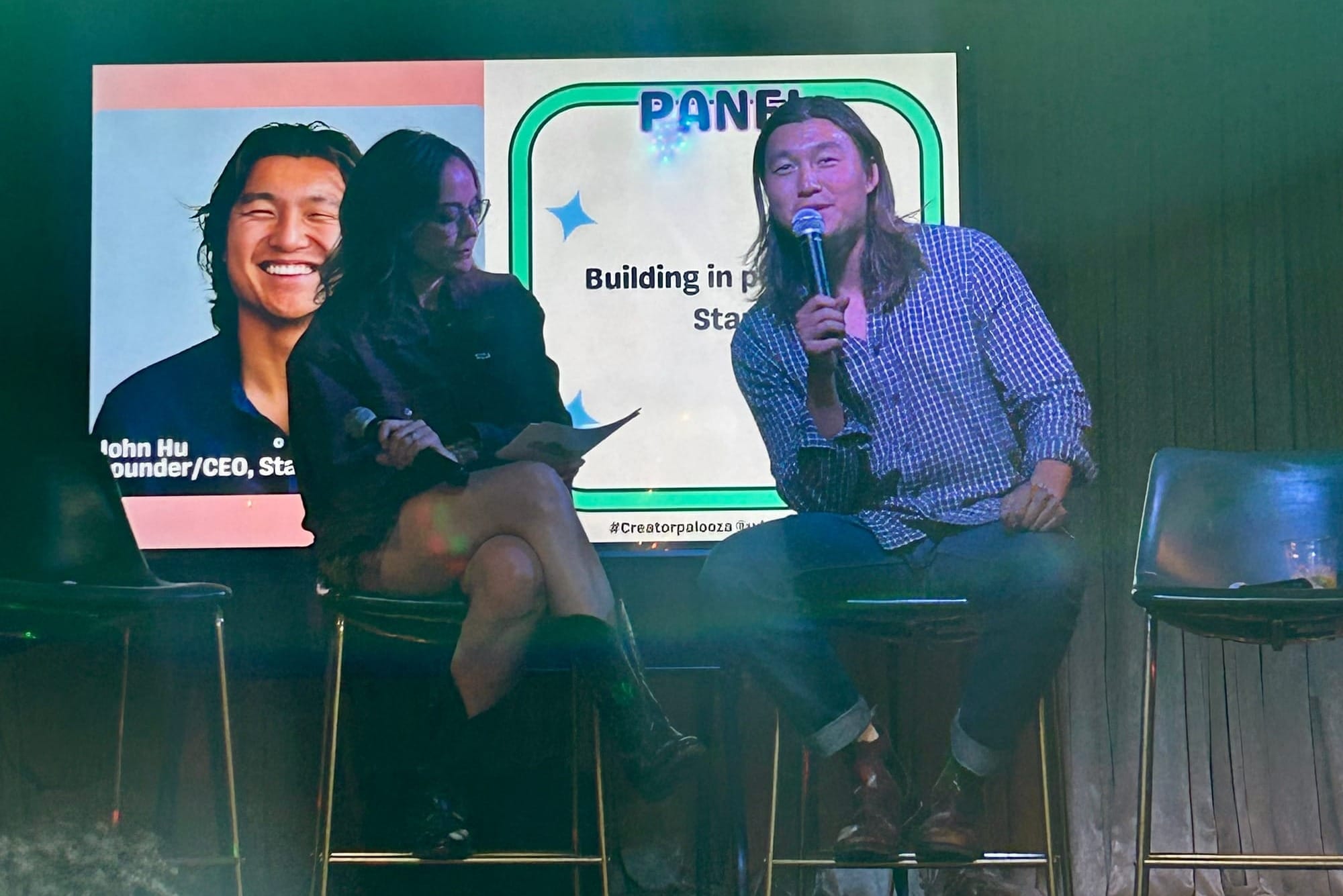
At SXSW, the future of music and culture is always on display. From packed showcases to surprise sets and branded activations, the festival offers a glimpse of what’s next. But behind every viral moment and seamless event is a workforce SXSW rarely acknowledges: freelancers.
They are the sound engineers running live sets, the videographers capturing performances that travel the world, the stage managers keeping showcases on schedule, the photographers, producers, and crew who turn ideas into experiences. SXSW depends on them.
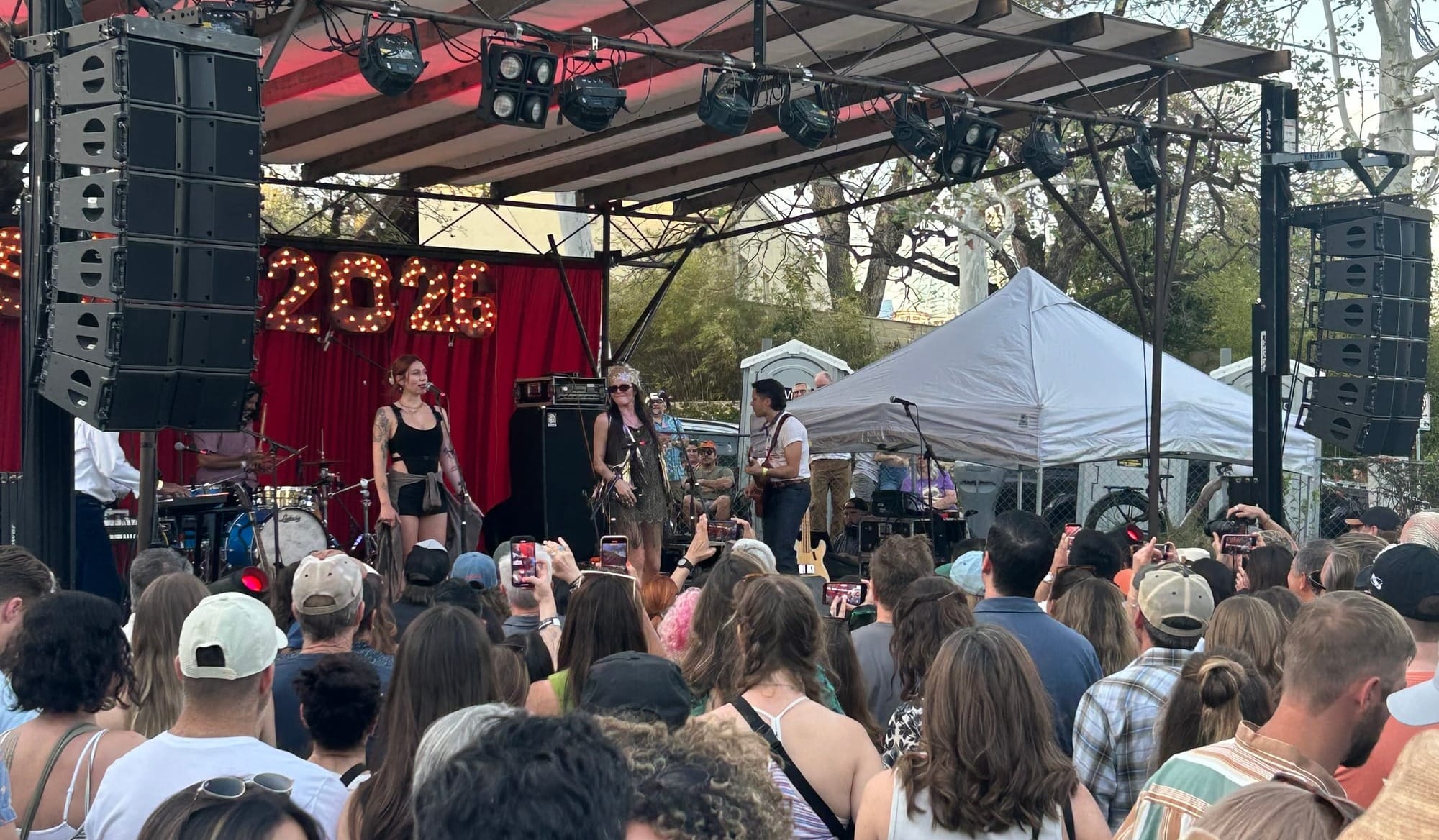
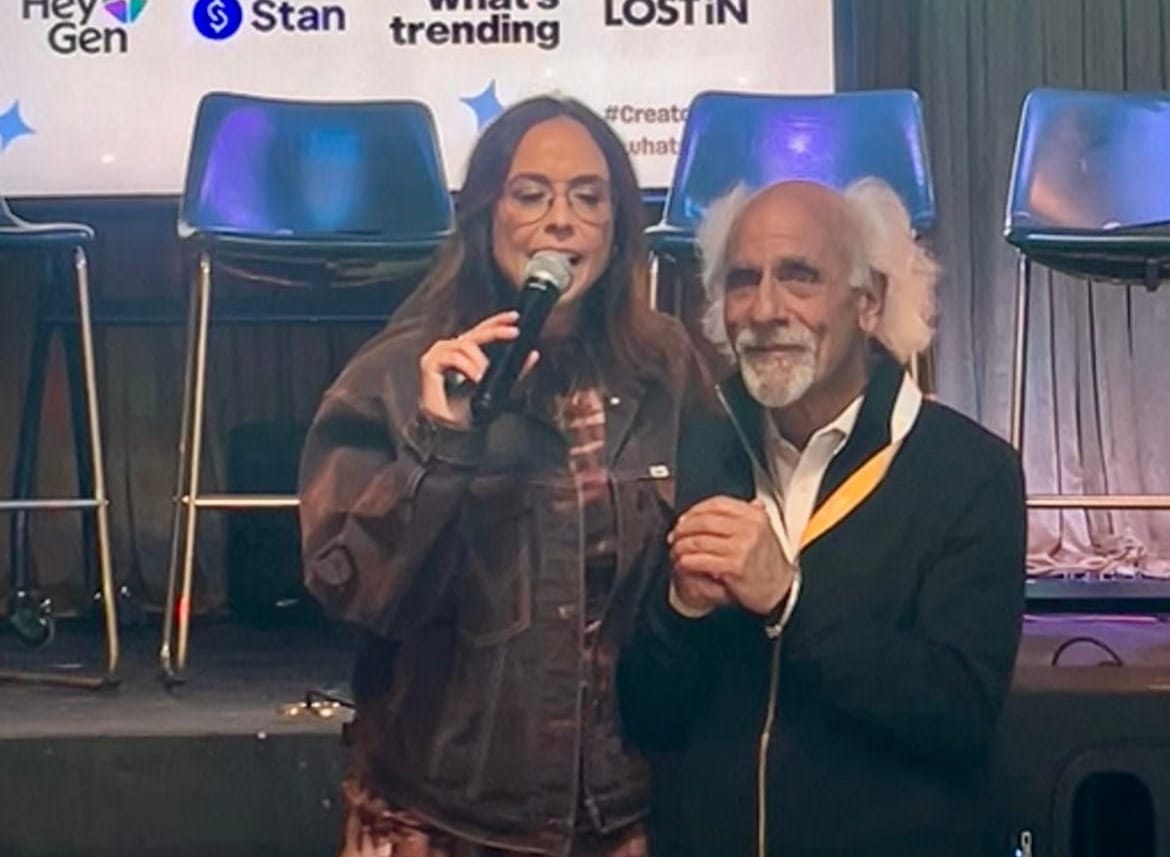
I saw this up close at a Latino Victory Fund event during the festival, where filmmaker Robert Rodriguez took the stage to celebrate Los Lobos — an iconic band that has shaped generations of music and culture — and the documentary premiere, Native Sons. It was the kind of moment SXSW is known for: electric, cross-generational, deeply rooted in place. And like every showcase and panel, it was powered by freelancers—producers, technicians, videographers, and crews whose labor makes these moments possible, and who too often remain invisible.
Independent workers now make up a massive share of the U.S. workforce, with more than 60 million Americans freelancing today—nearly two in five workers—up from roughly one in three pre-pandemic.¹ The “future of work” SXSW celebrates isn’t something on the horizon. It’s already here. And yet, the conditions under which many of these workers operate remain anything but forward-looking.
And the stakes are not abstract. According to a recent Freelancers Union survey, 82% of freelancers say healthcare access influences how they vote—a powerful signal that economic insecurity in this sector is shaping political behavior in real time.
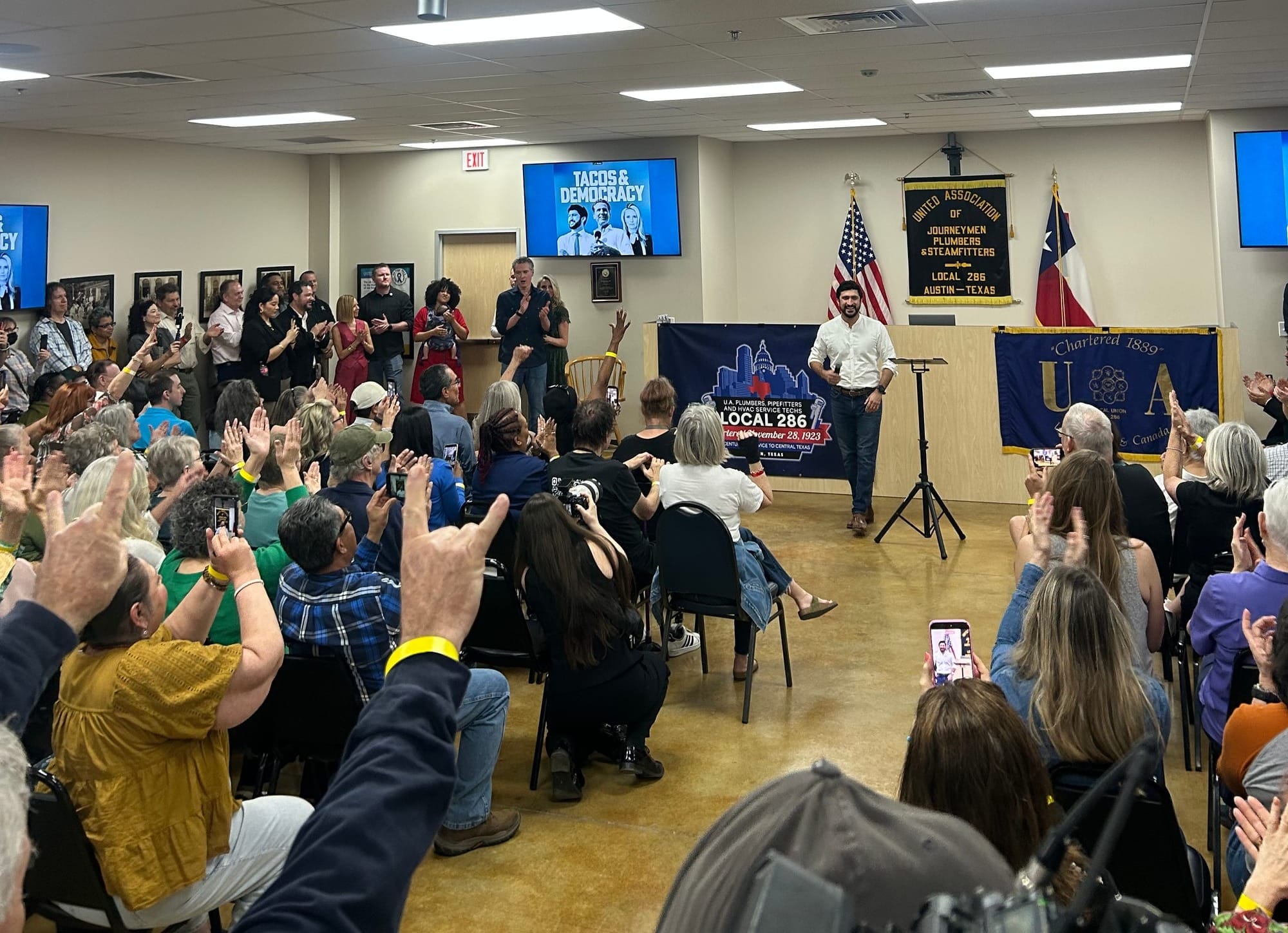
With the world’s eyes on Texas during a pivotal election year, Congressman Greg Casar figured prominently at this year’s festival. Speaking at Axios House, he made a clear case that Democrats must prove they are delivering for working people —especially Latino workers — are driving much of the country’s economic growth. But at SXSW, that question isn’t abstract. It’s embodied by the freelancers powering the festival itself—workers whose economic realities too often fall outside the protections policymakers claim to champion.
We cannot continue to celebrate the future of work on stage while ignoring the conditions of the people doing that work behind the scenes. In New York, we passed the Freelance Isn’t Free Act, guaranteeing freelancers the right to a written contract and timely payment. It’s simple: if you do the work, you should get paid—on time and in full.
It works. But step outside New York, including to places like Texas where SXSW takes place, and those protections disappear. That gap matters—not just for freelancers, but for the future SXSW claims to represent, and a future we are not waiting for. Millions of Americans are already building careers as independent workers across the industries that power our cultural and economic life. The question isn’t whether freelance work will grow. It’s whether we will build an economy that respects it.
Festivals like SXSW have an opportunity—and a responsibility—to lead. That means more than putting creators on stage. It means committing to fair standards behind the scenes: contracts, timely payment, and basic protections for the people who make the entire ecosystem possible.
It also means policymakers must catch up. States across the country should adopt and expand laws like Freelance Isn’t Free so that a worker’s rights don’t end at a city or state line.
If SXSW is where the future comes into focus, it should also be where we decide what kind of future we’re building—one where creativity is celebrated and protected, and where the workers behind the scenes are finally recognized as essential to the story.
1 Upwork Research Institute, Freelance Forward 2023: The Growing Freelance Workforce in the United States, 2023, https://www.upwork.com/research/freelance-forward-2023-research-report; see also Gig Economy Data Hub (Rockefeller Institute of Government), “Freelance Forward Data Sources,” https://gigeconomydata.org/research/data-sources/freelance-forward.html.